
Tag Archives: touchpoint optimization strategy

Patient Touchpoint Strategy – 4 Steps to Increase Total Patient Experience

Patient Touchpoint Strategy

Patient touchpoints or interactions with health care facility and professionals define patient centered care. They determine the total patient experience and satisfaction, affecting not only the clinical tasks but patient outcomes.  With the growth of online and social media, healthcare administrators have new tools to evaluate and effect patient centered care.

California HealthCare Foundation Study of Health 2.0 suggests,

“Innovative collaborations online among groups of patients, medical professionals, and other health care players are challenging the notion that health care happens only between a single patient and doctor in an exam room.”

In the growing Health 2.0 model, online and social media have dramatically Read More »

5 Steps to Evaluating Social Media ROI

touchpoints‘Prove to me social media works!’

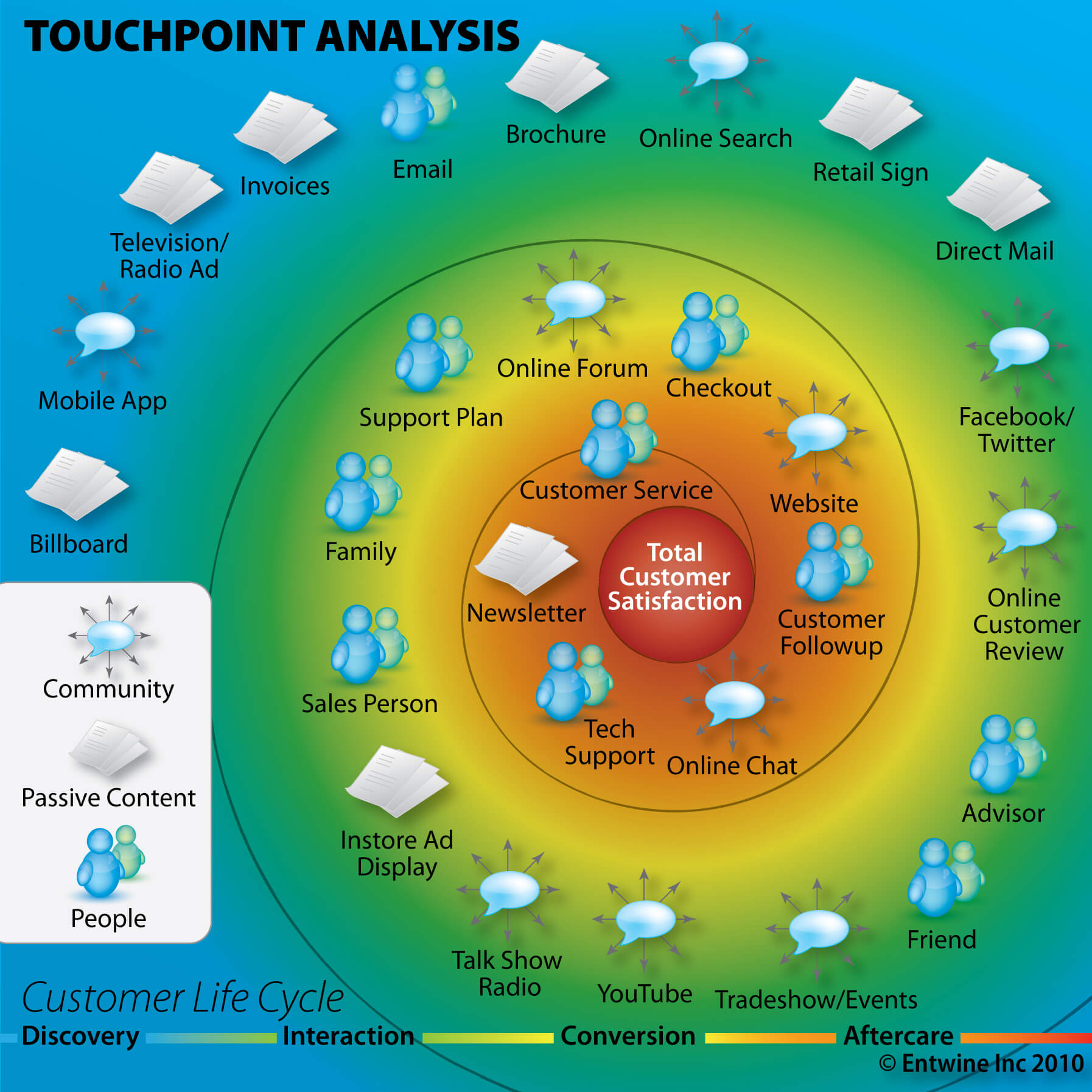
That is the cry of many businesspeople when challenged by the hype of Twitter and Facebook. The answer will not come simply from growing social media followers.  Rather, it will come from the effect social media has on expanding and converting your company’s touchpoints. The marketing strategy of every company is to touch their customers, engage them, and move them to a targeted action.  But most companies are not aware of their touchpoints, their effectiveness and why they work.  “Touchpoint Optimization Strategy ” is a 5-step process that tracks the conversion from a one way touchpoint to an “action point” in the customer relationship lifecycle.

Step 1: Listening

Many companies view their touchpoints as one-way, passive listening posts to the voice of the consumer or feedback on the effectiveness of traditional marketing efforts.  Sales and consumer insights measures include surveys, ad test, awareness tracking, contact centers, media tests, customer satisfaction studies, and brand tracking.  However, these listening posts often provided measures that are “time challenged”, needing to wait for the end of a marketing effort before being able to “listen” to the results and gain feedback. Read More »